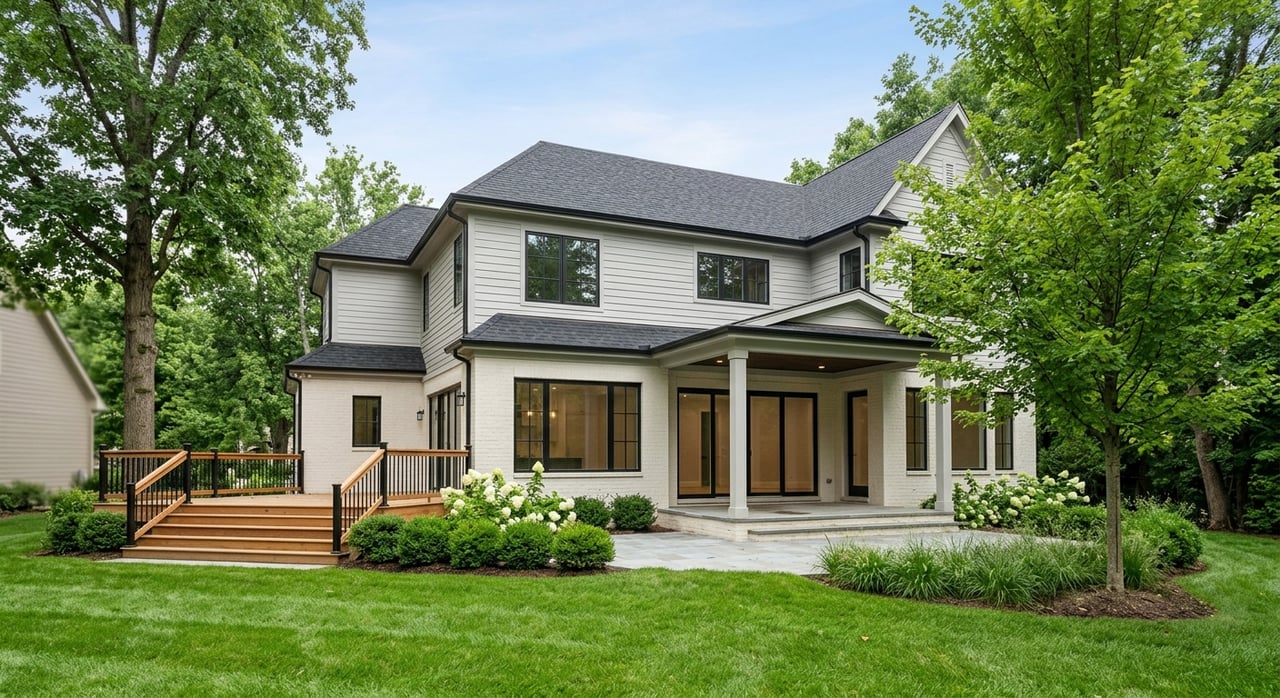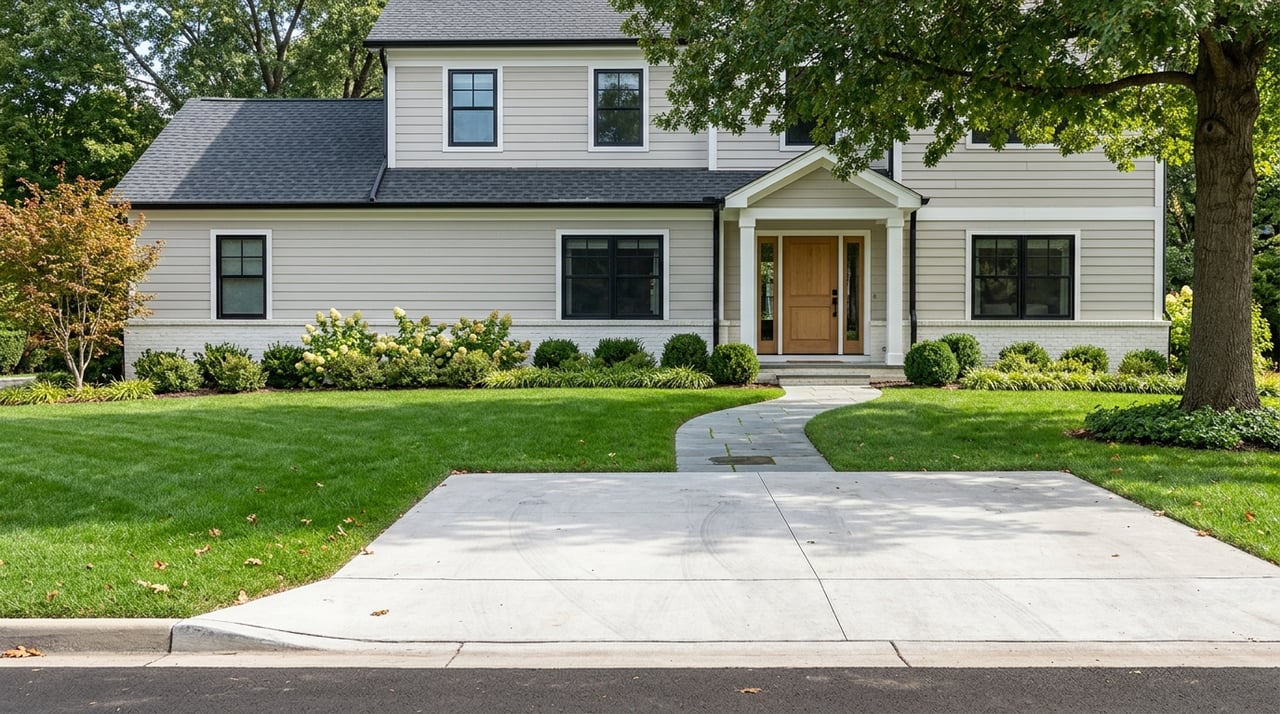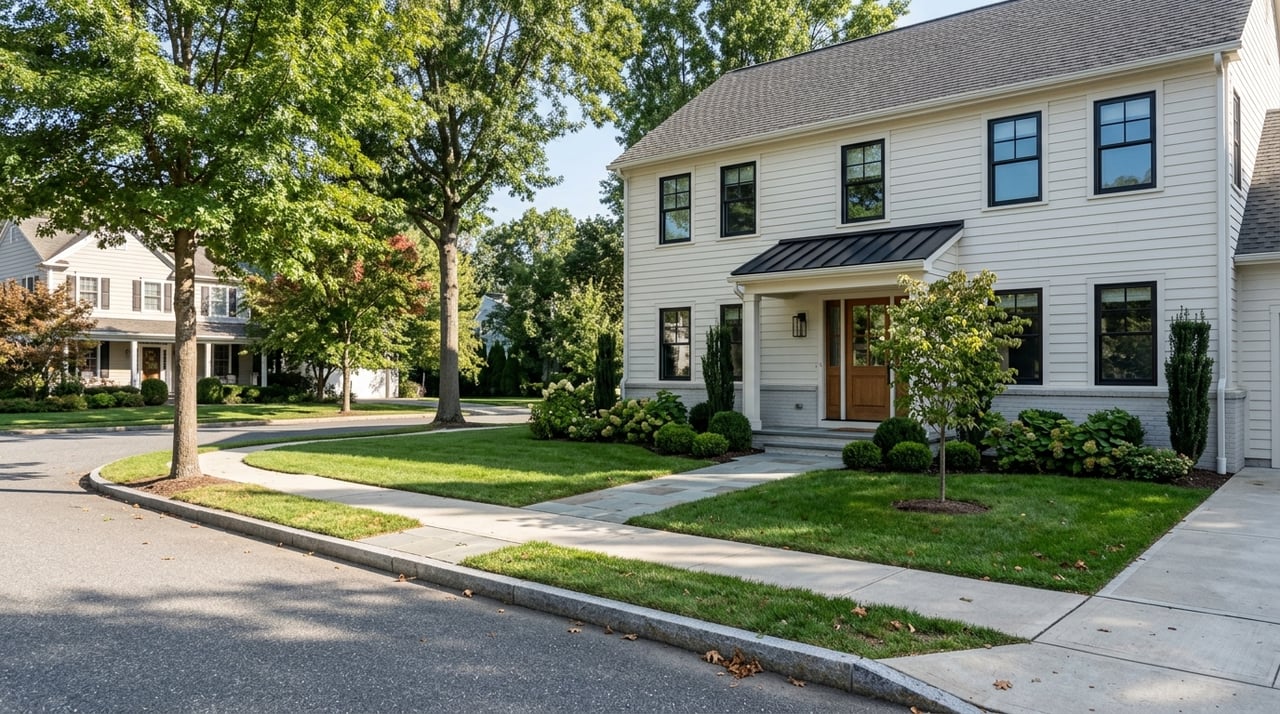
Thinking about moving up without leaving Marlboro? You are not alone. Many homeowners reach a point where the current house no longer fits the way they live, but the idea of giving up a familiar location, commute pattern, and daily routine can feel like too much. The good news is that Marlboro offers several paths to more space, different home styles, and higher price tiers right within town. This guide will help you understand what trading up in Marlboro can look like, how to plan the sale and purchase together, and where to focus so your next move feels strategic instead of stressful. Let’s dive in.
Why Marlboro works for move-up buyers
Marlboro is not a one-note housing market. Its history as a group of hamlets and sections still shapes how people experience the township today, which means moving up often does not require leaving town. Instead, it can mean moving from one part of Marlboro to another based on lot size, home age, layout, commute access, or overall property condition.
That flexibility matters because Marlboro has a housing stock that already fits many move-up needs. Township data shows 14,539 housing units, with 92.8% owner-occupied and 80.5% made up of one-unit detached homes. Many homes are 4-bedroom or 5-plus-bedroom properties, which gives you room to look for more space while staying in a market you already know.
Marlboro also has relatively limited recent housing growth compared with older build cycles. The township saw a net increase of just 72 housing units from 2013 to 2023 after accounting for permits and demolitions. In plain terms, that can make larger homes in desirable sections feel competitive because there is not a huge wave of new supply coming online.
What trading up means in Marlboro
Trading up does not always mean buying the biggest house possible. In Marlboro, it often means choosing a home that better matches your next phase of life. You may want more bedrooms, a better first-floor layout, a larger lot, a newer build, more garage space, or easier access to major roads and commuter options.
Price points inside Marlboro can vary widely by section. Realtor.com tracked areas such as Spotswood Manor, Raintree, Whittier Oaks, Cliffwood, Clarks Mills, Gordons Corner, Lafayette Mills, Monmouth Heights at Manalapan, and Taylors Mills, with listing prices ranging from about $299,900 in Whittier Oaks to about $1,174,500 in Taylors Mills. That spread shows you can make a meaningful move up while staying local.
The market benchmarks also support the idea that Marlboro sits in a higher-priced segment. Recent figures cited a township median owner-occupied value of $649,100, while Realtor.com reported a median listing price of $888,235 and a median sold price of $815,000 in June 2026. Monmouth County single-family data for the same period showed a median sales price of $850,000.
How to compare Marlboro sections
Because Marlboro feels like a collection of sections rather than one uniform neighborhood map, it helps to compare options using practical factors. This keeps your search grounded in your day-to-day needs and the type of home you want to own long term.
Focus on home age and layout
The township’s median year of construction is 1987, with major building activity concentrated from the 1980s through the 2000s. That means you may see meaningful differences in floor plans, ceiling heights, kitchens, primary-suite design, and renovation needs depending on where you look.
Some move-up buyers want a newer feel with less immediate updating. Others are happy to buy an older home with good square footage and improve it over time. Being clear on that tradeoff can save you time and help you narrow the right sections faster.
Look at lot size and upkeep
A larger house often comes with a larger lot, but not always. As you compare properties, think about how much exterior maintenance you actually want along with the extra indoor space.
If you want room for outdoor living, recreation, or future improvements, lot size may move higher on your list. If you prefer a lower-maintenance setup, you may decide that layout and interior condition matter more than land.
Weigh commute access
Marlboro’s location gives residents access to Route 79, Route 18, Route 520 and Tennent, Route 9, the Garden State Parkway, and the New Jersey Turnpike. For some buyers, moving across town can improve the daily commute almost as much as moving to a different municipality.
The Route 9 corridor also includes park-and-ride options, including service from the Marlboro Mall and School Road Park & Ride to NJ Transit Bus 135 to New York Port Authority. If your work schedule or travel routine matters, commute patterns should be part of your home search from day one.
Consider parks and daily lifestyle
You do not need to leave Marlboro to gain access to different everyday conveniences. Marlboro maintains parks and recreation facilities including Marlboro Country Park, Recreation Way Park, and Woodcliff Park.
When you trade up, think about the full routine, not just square footage. A different section of town may bring you closer to the roads, recreation spaces, or local destinations you use most often.
Is now a good time to trade up?
Recent numbers suggest Marlboro is active but not wildly one-sided. Realtor.com classified Marlboro as a balanced market in June 2026, with 192 homes for sale and a median of 24 days on market. Monmouth County single-family housing showed 2.7 months of inventory and 27 days on market that same month.
That kind of market can create opportunity for both sides of your move. Your current home may attract serious interest if it is well presented and priced correctly, while your purchase search may offer more breathing room than an extreme seller’s market. Still, well-positioned homes can move quickly, so preparation matters.
Another useful data point is pricing strength. Marlboro homes were selling around 100% of list price, while Monmouth County single-family homes averaged 103.1% of list price received in June 2026. That tells you buyers are paying attention to value and condition, and strong listings can still command solid terms.
Selling your current home before you buy
For many move-up sellers, this is the cleanest financial path. Selling first can give you a clearer picture of your net proceeds, down payment, and monthly comfort level before you commit to the next purchase.
It can also make your purchase offer look stronger because you are not layering in as much uncertainty. In a balanced market where homes are moving in a median of about 24 days, a long home-sale contingency may weaken your position even if it is the right fit for your situation.
The tradeoff is timing. You may need temporary housing, a rent-back arrangement if available in the contract terms, or a very tight coordination plan between closings. The right strategy depends on your finances, comfort level, and available inventory.
Buying before you sell
Some homeowners choose to buy first because they do not want to miss the right property. This can make sense if you need a very specific type of home or if your current home equity and financing options support the move.
If you need the proceeds from your current home to complete the next purchase, temporary bridge financing may be one option to discuss with your lender. A bridge loan is a short-term loan, generally 12 months or less, that can help you buy a new home while planning to sell your current one within that period.
This approach can reduce moving twice and may let you prepare your old home for sale after you move out. But it also adds financial complexity, which is why lender conversations early in the process are so important.
Understand New Jersey contract timing
New Jersey has an important local practice that affects move-up transactions. Broker-prepared residential contracts include a mandatory attorney-review clause, and both buyer and seller have three business days after delivery of the fully signed contract to consult an attorney.
During that review period, the attorney can revise or void the deal. In practical terms, that means legal review is not an afterthought in a Marlboro move-up transaction. If you are selling one home and buying another, lining up your attorney early can help everything move more smoothly.
NJDOBI also notes that your offer or contract should clearly state the price, down payment, financing timing, closing date, possession date, and inspection and title provisions. When two transactions are tied together, clarity on those terms matters even more.
Get financing lined up early
If you are trading up, your financing plan needs to account for more than the purchase price. You should know how much equity you expect to net, what monthly payment range feels workable, and how different timing scenarios could affect your options.
NJDOBI explains that buyers often begin with pre-qualification and then move to pre-approval, which generally lasts 60 to 90 days. Starting that process early gives you a more realistic search range and helps you act faster when the right home appears.
You should also remember that offers often include earnest money and that deposits are usually held in escrow. When you are juggling a sale and purchase at once, having those funds and timelines mapped out in advance can lower stress.
Prepare your current home to compete
Move-up sellers sometimes focus so much on the next house that they underprepare the current one. That can be a costly mistake. In Marlboro’s balanced market, pricing discipline and presentation can make a real difference.
The local and county data suggest serious buyers are responding to homes that show well and are priced with purpose. A home that needs heavy concessions may struggle more than one that feels clean, updated, and ready for the market.
Before listing, think through the basics:
- Decluttering and simplifying each room
- Addressing visible maintenance issues
- Reviewing likely buyer concerns before inspection
- Creating a pricing strategy based on current competition
- Planning photography and showing readiness from day one
Inspections and due diligence still matter
Even when you are eager to move quickly, due diligence should not be rushed. NJDOBI recommends an independent home inspection soon after the contract becomes binding.
If the home you are considering was built before 1978, federal lead-based paint disclosure rules also apply. Beyond the physical condition of the property, NJDOBI advises buyers to think about HOA fees, utility costs, trash and sewage, public services, and local zoning.
Those details become especially important when you are trading up because carrying costs often rise with the home size and price point. A larger property should fit not only your wish list, but also your long-term budget and maintenance comfort level.
Do not overlook Marlboro tax timing
Property taxes affect move-up planning more than many buyers expect. Marlboro says tax bills are mailed annually, typically in July, with quarterly due dates on February 1, May 1, August 1, and November 1, plus a 10-day grace period.
These dates can matter for closing prorations and for understanding what you may owe or receive at settlement. Marlboro also notes that tax assessment appeals can be filed from November 15 through January 15, which can be relevant if you have post-closing assessment questions.
A smart move-up plan starts with coordination
The biggest challenge in trading up is rarely just finding a larger house. It is coordinating timing, pricing, financing, legal review, and negotiations so both sides of the move support each other.
That is where experience matters. A strong plan should help you decide whether to sell first or buy first, prepare your current home to compete, target the right Marlboro sections for your needs, and structure offers with realistic timelines.
If you are thinking about trading up to a larger home in Marlboro, the right guidance can make the process clearer from the start. To build a smart plan for your sale and next purchase, schedule a free consultation with George Pavlushkin.
FAQs
What does trading up to a larger home in Marlboro mean?
- It usually means moving from your current home to a property with more space, a different layout, a larger lot, a newer build, or a higher price tier while staying in Marlboro.
Is Marlboro a good place to move up without leaving town?
- Yes. Marlboro has a large share of owner-occupied, detached single-family homes, many with 4 or more bedrooms, and its different sections offer a wide range of price points and housing styles.
Should you sell your current Marlboro home before buying the next one?
- It depends on your finances, risk tolerance, and available inventory. Selling first can clarify your budget, while buying first may help if you find the right home and have financing options to support the timing.
How does attorney review work in a New Jersey home sale?
- In New Jersey, broker-prepared residential contracts include a three-business-day attorney-review period after the fully signed contract is delivered, and an attorney can revise or cancel the agreement during that window.
How fast are homes selling in Marlboro?
- Realtor.com reported a median of 24 days on market in Marlboro in June 2026, which suggests a relatively active market where preparation and pricing still matter.
What should you compare when choosing a larger home in Marlboro?
- Focus on practical factors such as home age, layout, lot size, upkeep, commute access, utility and carrying costs, and proximity to the roads, parks, and daily destinations you use most.