If you are thinking about buying your first home in Old Bridge, you are not alone, and you are not imagining the pressure. This market can move quickly, prices are significant, and the jump from renting to owning can feel like a lot to manage at once. The good news is that with the right plan, you can make smart decisions, avoid common mistakes, and shop with more confidence. Let’s dive in.
Why Old Bridge attracts first-time buyers
Old Bridge gives you access to Middlesex County while keeping you connected to major roads and transit options that many buyers care about. The township points residents to transportation resources including the Garden State Parkway, New Jersey Turnpike, Academy Bus Lines, Suburban Transit, and New Jersey Transit, including Park & Ride service on the 139 route.
That matters because your home search is not only about square footage or finishes. For many first-time buyers, commute time, highway access, and nearby transit can shape daily life just as much as the home itself.
What the Old Bridge market looks like
Right now, Old Bridge is best described as a competitive, slightly seller-leaning market. Current data show active inventory and closed-sale numbers that differ by source, but the overall picture is consistent: buyers should be ready for well-priced homes to attract attention.
Realtor.com reports 172 homes for sale, a median listing price of $580,000, and a median time on market of 30 days. Redfin’s closed-sale data for the three months ending May 2026 show a median sale price of $619,629 and 64 days on market, with some homes receiving multiple offers.
The main takeaway is simple. You should watch live inventory closely, get prepared early, and avoid assuming every home will sit long enough for a slow decision.
Start with your real budget
Before you tour homes, take time to figure out what you can comfortably afford each month. A mortgage payment includes more than principal and interest, so you also need to budget for property taxes, homeowners insurance, repairs, and possibly HOA dues.
That full monthly picture matters in Old Bridge because ownership costs can vary by property type. A single-family home may have separate garbage collection costs and utility bills, while a condo or townhome may bundle some expenses into an HOA fee.
Compare monthly costs, not just prices
When you look at homes, compare:
- Principal and interest
- Property taxes
- Homeowners insurance
- HOA dues, if any
- Expected repair and maintenance costs
- Utility and service costs
This is especially important if you are deciding between renting and buying. Realtor.com shows median rent in Old Bridge around $3,400, so many renters are naturally comparing that payment to what ownership might cost each month.
Get preapproved before you shop
In a competitive market, preapproval can help you understand your real price range and put you in a stronger position when you find a home you like. New Jersey’s consumer guide says mortgage processing can take 30 to 90 days if you are not already preapproved.
Preapproval also helps you shop with better focus. Instead of guessing what might work, you can narrow your search to homes that match both your financing and your comfort level.
Explore New Jersey first-time buyer programs
If you have not owned a home in the last three years, New Jersey Housing and Mortgage Finance Agency programs may be worth a close look. NJHMFA considers that timeline when defining a first-time homebuyer for its programs.
Its First-Time Homebuyer Mortgage Program offers qualified buyers a competitive 30-year fixed-rate government-insured loan through participating lenders. The state’s Down Payment Assistance Program can provide up to $15,000, depending on the county where the property is located, as an interest-free five-year forgivable second loan with no monthly payment.
Qualified first-generation buyers may also receive an additional $7,000, bringing total assistance to $17,000 to $22,000. For many first-time buyers, that can make a meaningful difference in how much cash is needed upfront.
Expect counseling as part of the process
NJHMFA also expects buyers in its programs to work with participating lenders and complete a HUD-approved homebuyer counseling course. That course covers budgeting, mortgage basics, making an offer, inspections, closing preparation, and post-purchase issues.
If this is your first purchase, that kind of structure can be helpful. It gives you a clearer roadmap and helps you move forward with fewer surprises.
Plan for more than the down payment
One of the biggest first-time buyer questions is how much cash you really need. The answer usually includes more than just your down payment.
You should also plan for closing costs, inspection costs, and some financial cushion after closing. New Jersey’s consumer guide says nonrecurring closing costs are often about 3% to 4% of the purchase price and may include appraisal, inspection, title insurance, and related fees.
Homeowners insurance must also be in place before closing. If your down payment is under 20%, mortgage insurance may be required as well.
Your upfront cash checklist
Expect to budget for:
- Down payment
- Closing costs
- Home inspection and possible additional inspections
- Appraisal-related costs, where applicable
- Homeowners insurance
- Cash reserves for move-in and early repairs
Pay close attention to property taxes
In Old Bridge, property taxes deserve close review on every home you consider. The township said in an August 2025 statement that school taxes make up about 60% of the property-tax bill and that the 2025 total increase was closer to 10%.
That means the list price alone does not tell you the full cost of ownership. Two homes with similar asking prices can feel very different financially once you compare the tax bill.
Ask for the current tax bill
As you tour homes, review the current tax bill and factor it into your monthly payment estimate. This step can help you avoid stretching too far on a home that looks affordable at first glance.
The township also points residents to property-tax relief resources, including ANCHOR, Senior Freeze, Stay NJ, and programs for eligible seniors, veterans, and disabled veterans. While not every program will apply to a first-time buyer today, it is still useful to understand the broader tax picture in the area.
Compare property types carefully
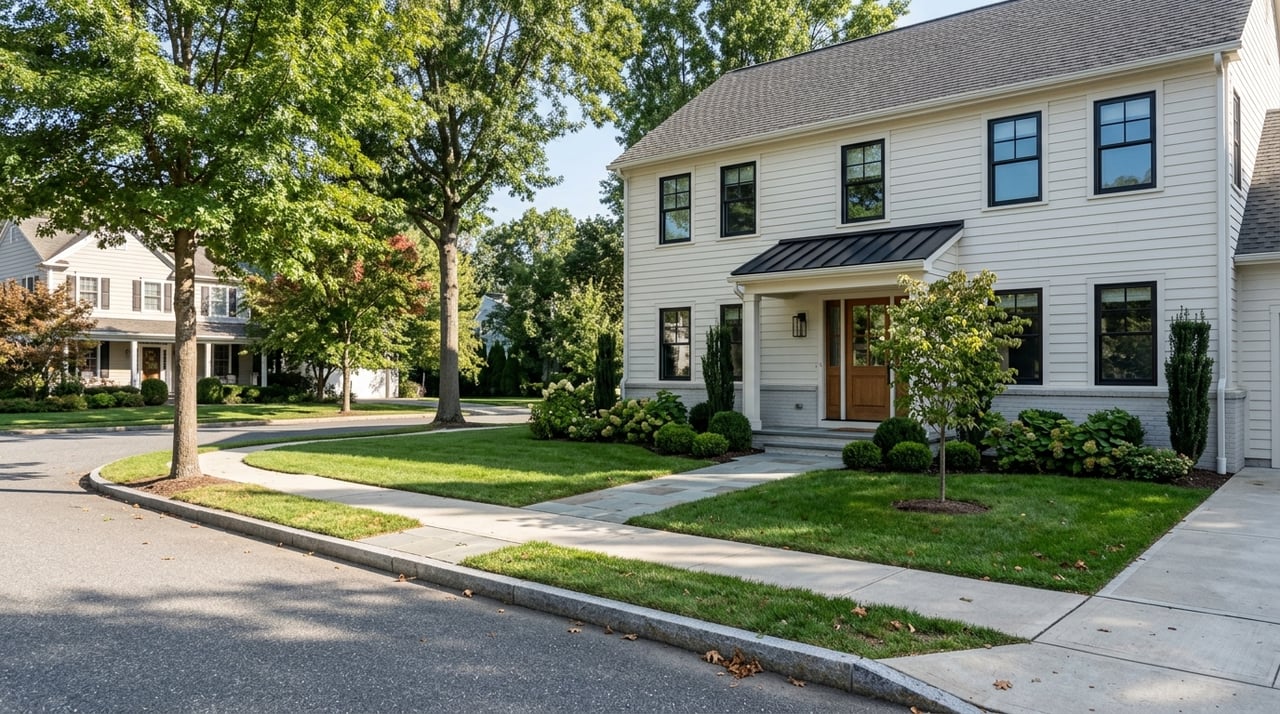
Old Bridge buyers often look at a mix of single-family homes, townhomes, and condos. Each option can work well, but the monthly cost and maintenance demands may be very different.
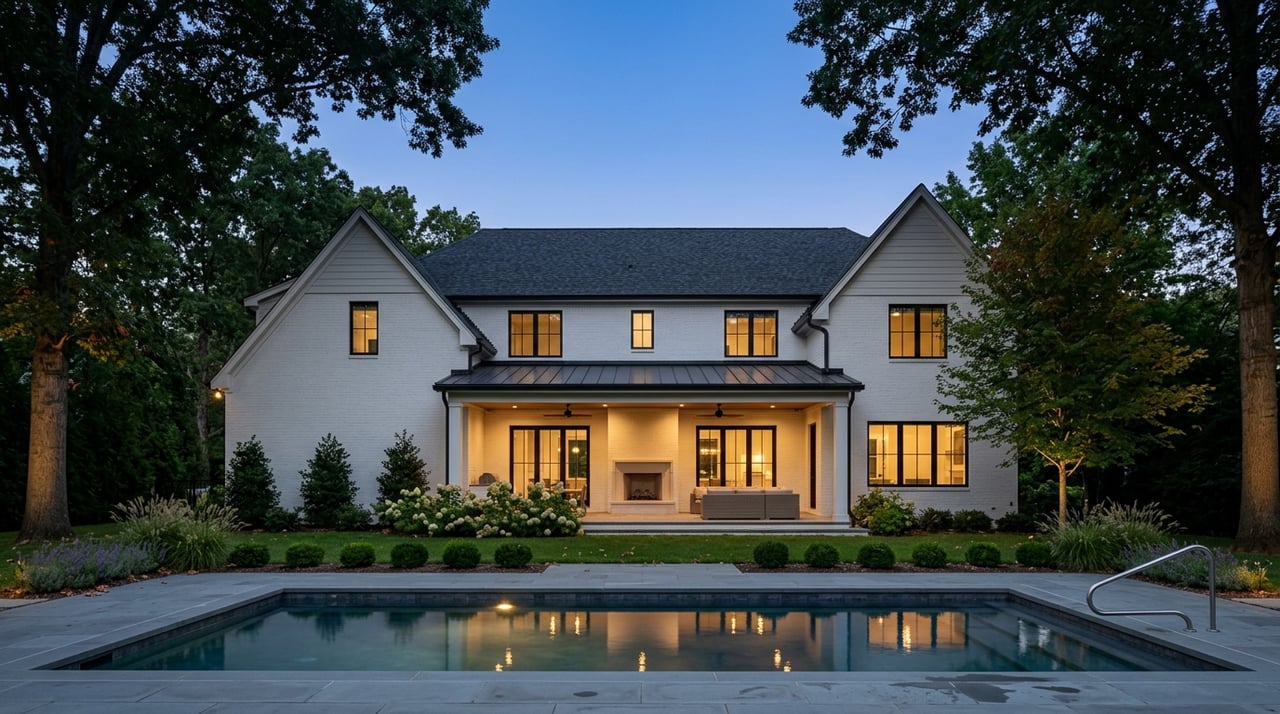
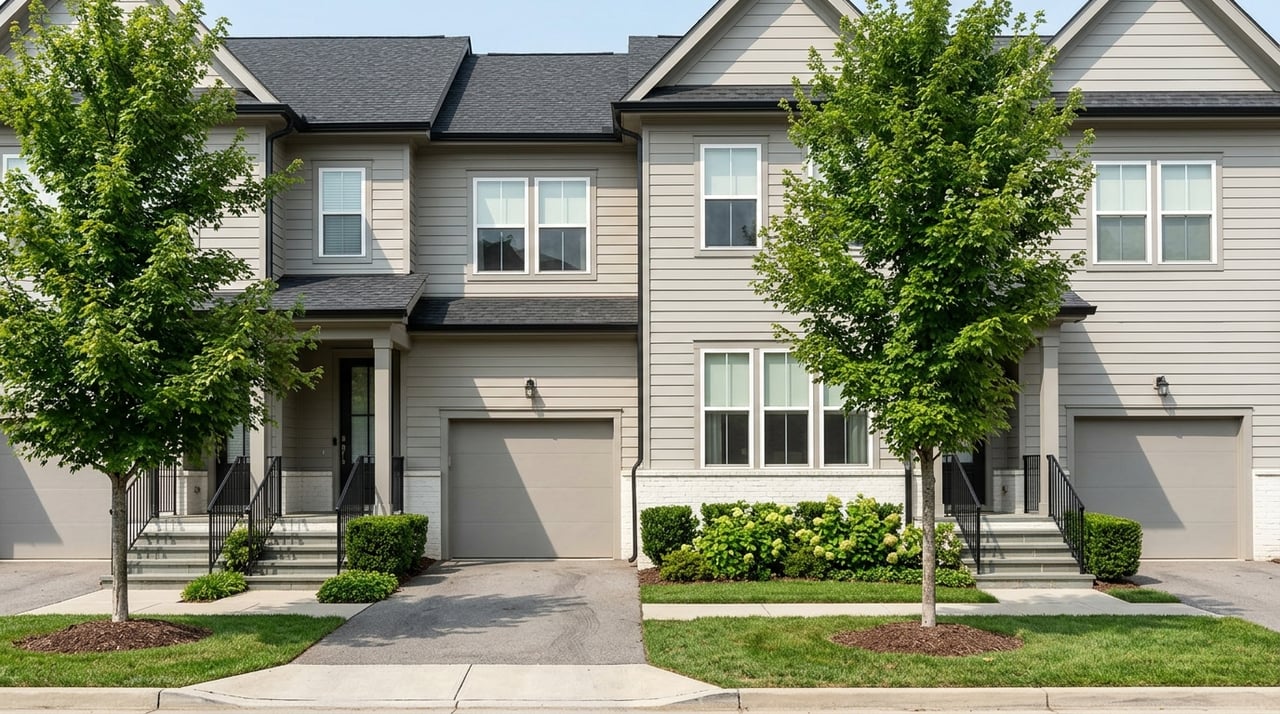
A single-family home may offer more private outdoor space and no HOA dues, but you may be responsible for more repairs and services directly. A condo or townhome may include shared maintenance through the HOA, but the monthly fee becomes part of your ownership cost.
| Property Type | What to Compare |
|---|---|
| Single-family home | Taxes, repairs, utilities, garbage collection, yard upkeep |
| Townhome | Taxes, HOA dues, shared maintenance, insurance needs |
| Condo | Taxes, HOA dues, what is bundled, rules and reserve costs |
Build your Old Bridge search around daily life
A first home should support how you actually live. NJHMFA encourages buyers to consider commute distance, highway and public transit access, schools, and flood or weather-related concerns when choosing a home.
That means your search should go beyond finishes and staging. You may want to compare how different areas of Old Bridge connect to Route 9, commuter parking, highways, or bus service before you decide where to focus.
Know the steps after you find a home
Once you find the right home, the process usually moves through offer acceptance, loan processing and underwriting, then closing and move-in. In a competitive market, it helps to understand this sequence before you are under pressure to act quickly.
A smart offer often includes contingencies for financing and a satisfactory inspection. New Jersey’s consumer guide also notes that many buyers use an attorney because real estate agents cannot give legal advice.
What happens during underwriting
After your offer is accepted, your lender will continue reviewing your file. NJHMFA says borrowers may need to document income, assets, tax returns, pay stubs, and W-2s, and the lender will order an appraisal.
This is one reason early preparation matters. The more organized your paperwork is from the start, the smoother this stage tends to be.
Why inspections matter
An independent home inspection can reveal defects before closing. Depending on the property, other searches or certifications may also be needed, such as termite, survey, flood, radon, or occupancy-related checks.
For a first-time buyer, this is not just a formality. It is a chance to better understand the home’s condition and future maintenance needs before you finalize the purchase.
What to expect at closing
Closing day usually comes after final loan approval and your final walk-through. NJHMFA says the walk-through should happen within 24 hours of closing so you can confirm the seller has moved out and any agreed repairs are complete.
The closing itself is usually held at the attorney’s or lender’s office. You should expect a large set of documents explaining the loan, the debt, and your obligations as the new owner.
If you use NJHMFA down payment assistance, remember that the assistance is forgivable after five years if you stay in the home and do not refinance during that period. That detail matters when you are planning for the long term.
Smart moves for first-time buyers
Buying your first home in Old Bridge is easier when you focus on the right decisions early. In this market, preparation often creates more leverage than rushing.
Here are a few practical ways to strengthen your position:
- Get preapproved before touring seriously
- Compare full monthly costs, not just asking prices
- Review current property taxes on every home
- Ask about NJHMFA loan and down payment assistance options
- Factor commute needs into your search from day one
- Keep your paperwork organized for underwriting
- Use inspection contingencies to protect yourself
If you want a clear plan, local guidance matters. A buyer-focused approach can help you sort through inventory, compare neighborhoods based on your real priorities, and stay competitive without losing sight of your budget.
When you are ready to take the next step, connect with George Pavlushkin to schedule a free consultation and get expert guidance tailored to your Old Bridge home search.
FAQs
How competitive is the Old Bridge NJ housing market for first-time buyers?
- Old Bridge is currently best described as competitive and slightly seller-leaning, with current data showing active inventory, relatively quick market times, and some multiple-offer situations on well-priced homes.
How much cash do you need to buy a first home in Old Bridge NJ?
- You should plan for the down payment, closing costs that are often about 3% to 4% of the purchase price, inspection-related costs, homeowners insurance, and some reserves for move-in or early repairs.
Can first-time buyers get down payment assistance in New Jersey?
- Yes, eligible buyers may qualify for NJHMFA down payment assistance of up to $15,000, and qualified first-generation buyers may receive additional assistance for a total of $17,000 to $22,000.
Why do property taxes matter so much when buying in Old Bridge NJ?
- Property taxes are a major part of your monthly ownership cost in Old Bridge, so reviewing the current tax bill on each home is important because the list price alone does not show the full cost of owning that property.
Should you choose a condo, townhome, or single-family home in Old Bridge NJ?
- The best fit depends on your budget, maintenance preferences, and monthly cost structure, since HOA dues, repair responsibility, utilities, and taxes can vary significantly by property type.
What happens after your offer is accepted on an Old Bridge NJ home?
- After acceptance, the process usually moves through loan processing, underwriting, appraisal, inspection-related steps, final walk-through, and closing, with many buyers also working with an attorney during the transaction.